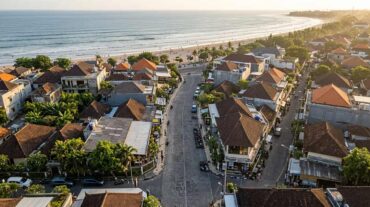

Kuta Beach has been part of Bali’s tourism story for generations. For many travelers, it is one of the first places that comes to mind when thinking about a beach holiday in Bali. But with so many coastal destinations now attracting visitors, one question is becoming more common: Is Kuta still worth visiting?
The answer is yes. Kuta still offers many of the experiences that have made it famous, including a long sandy coastline, sunset views, surfing opportunities, and easy access to restaurants, shops, accommodation, and entertainment. Its location near Ngurah Rai International Airport also makes it a convenient stop for travelers arriving in Bali.
At the same time, Kuta is not the only place to enjoy Bali’s coastline. Different parts of the island offer different beach experiences. Some are better known for surfing, others for sunrise, snorkeling, dramatic cliffs, relaxed afternoons, or quieter surroundings.
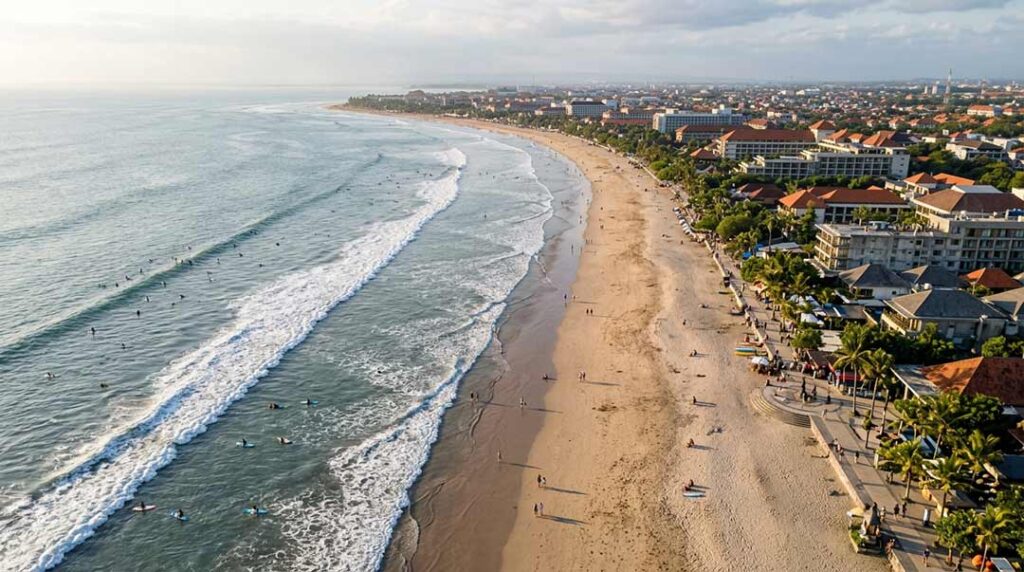
Kuta has changed significantly as Bali has developed, but its main attractions remain relevant. The beach has a long coastline, waves that attract surfers, and an active atmosphere that makes it easy to combine a beach visit with other activities.
One of Kuta’s biggest advantages is its location. The beach is relatively close to Ngurah Rai International Airport, making it practical for travelers who want to explore the area shortly after arriving or before departing Bali. The surrounding neighborhood is also filled with hotels, restaurants, shopping areas, and other tourism facilities.
Kuta is also closely connected with Bali’s surfing culture. The beach has traditionally attracted surfers, while its waves can also provide opportunities for beginners who want to take their first surfing lesson.
Then there is the sunset. In the late afternoon, visitors gather along the beach to watch the sun disappear over the horizon. This simple experience remains one of the reasons Kuta continues to attract visitors.
Kuta can therefore be a particularly convenient choice for first-time visitors who want a classic Bali beach experience without traveling far from the airport or major tourist facilities.
But if you have already experienced Kuta or want to explore another side of Bali, the island has plenty of alternatives.
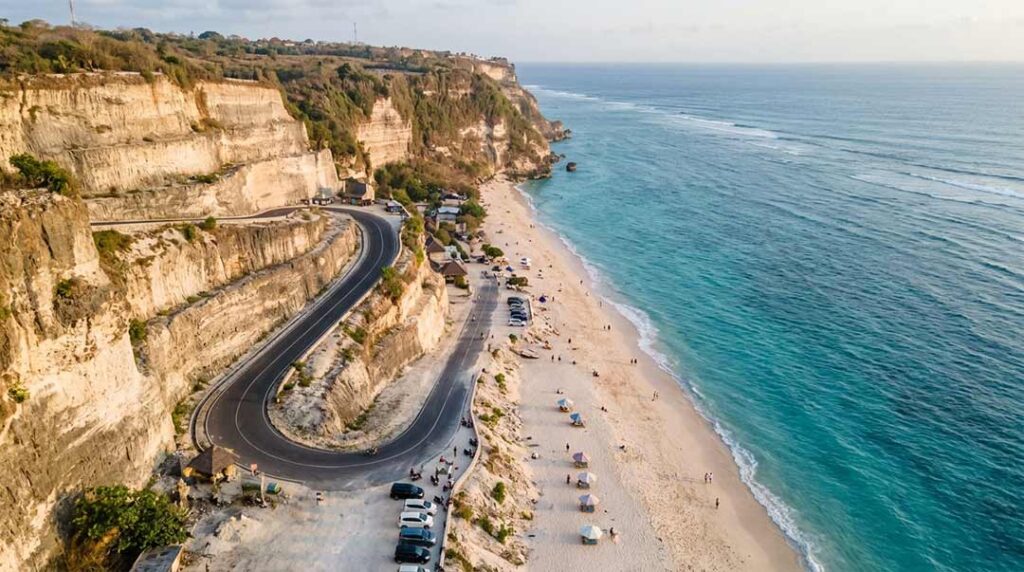
South Bali offers some of the island’s most recognizable coastal scenery. Compared with Kuta, several beaches around the Bukit Peninsula are characterized by limestone cliffs, smaller bays, and dramatic views.
Padang-Padang Beach is one of the better-known beaches in the Pecatu area. The beach is surrounded by rocky cliffs and can be reached through a narrow passage and stairs. It is also associated with surfing and has become a popular stop on trips around South Bali.
Nearby, Melasti Beach offers another distinctive coastal landscape. The road leading toward the beach passes through large limestone cliffs, creating a dramatic setting before reaching the shoreline.
For travelers looking for a different type of beach day, Nusa Dua provides a more organized resort environment. The area is a planned tourism complex with hotels, restaurants, recreational facilities, and white-sand beaches.
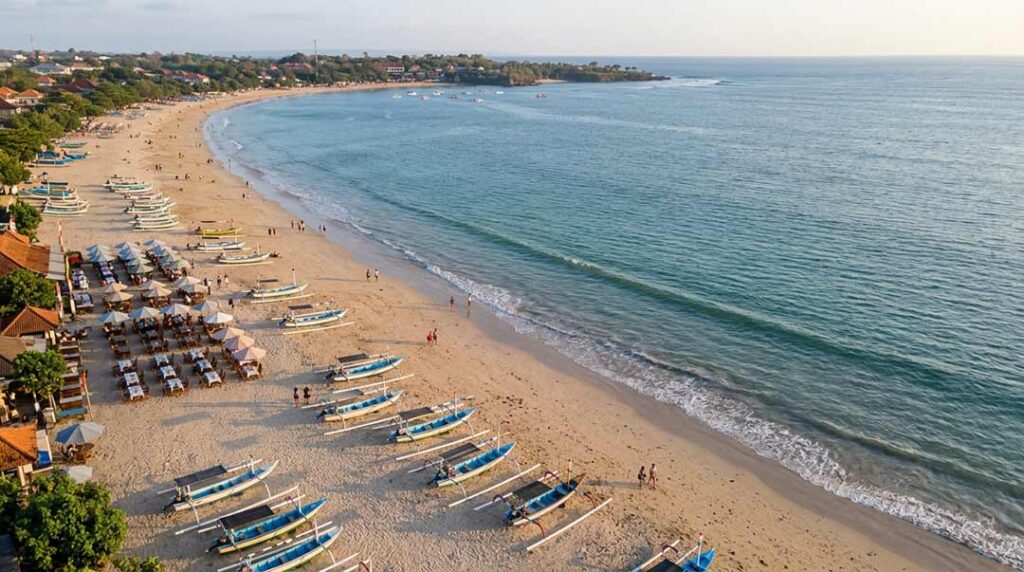
Jimbaran Beach is another option in South Bali. The area is particularly associated with seafood restaurants along the coast, making it possible to combine time at the beach with a sunset dinner.
This part of Bali works well for travelers who want to combine beach visits with cliff views, surfing, resort experiences, or sunset dining.

Heading north from Kuta, the beach experience gradually changes as you reach Seminyak, Canggu, and Pererenan.
Seminyak Beach is surrounded by a large selection of restaurants, hotels, cafés, and entertainment venues. Its coastal area is particularly popular around sunset, when visitors can combine time at the beach with dining or drinks nearby.
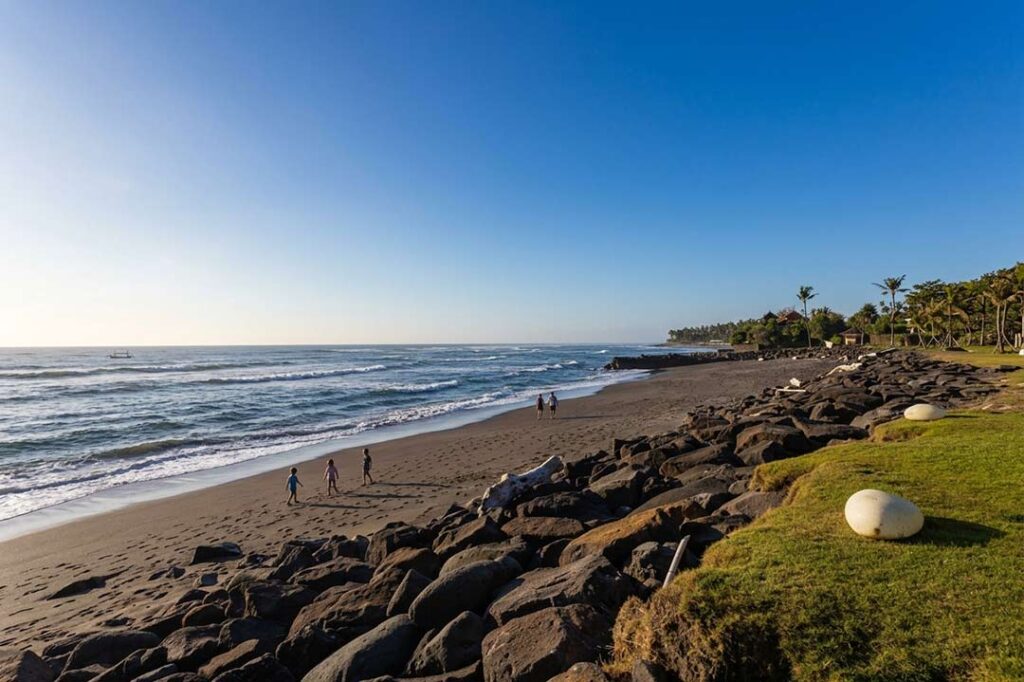
Further north, Canggu has developed into one of Bali’s best-known lifestyle destinations. Its beaches are closely associated with surfing, while cafés and beachside venues have become an important part of the surrounding atmosphere.
Within the Canggu and Pererenan area, travelers can explore beaches such as Batu Bolong, Echo Beach, and Pererenan Beach. The experience here is less about visiting one single famous beach and more about combining the coastline with cafés, restaurants, surfing, and the surrounding local lifestyle.
For travelers who enjoy spending a morning by the ocean, stopping at a café, exploring local streets, and returning to the beach for sunset, this part of Bali offers plenty to do.
It can also be a practical area for travelers who prefer to stay away from the busiest center of Kuta while remaining within reach of many popular destinations in southwest Bali.
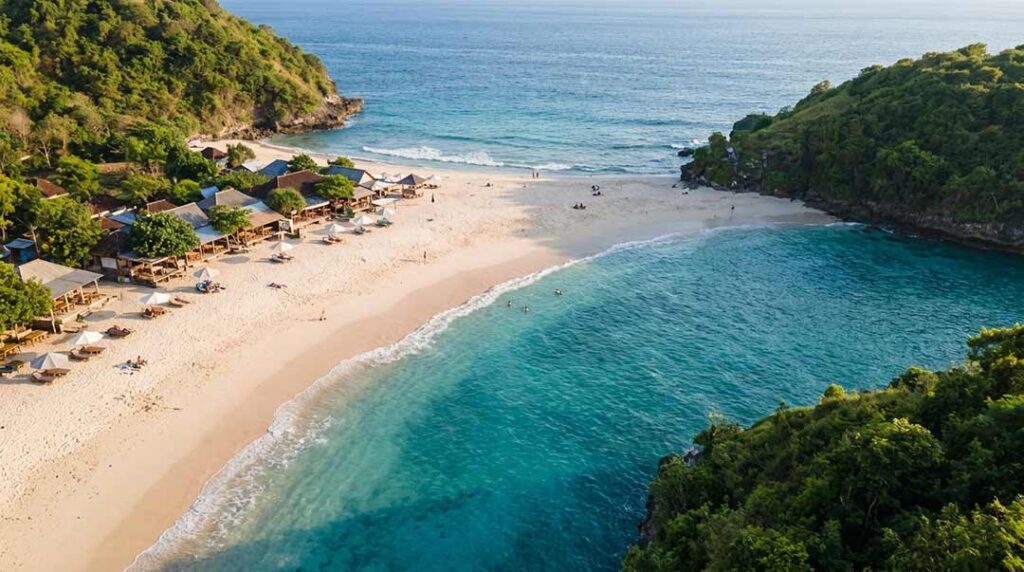

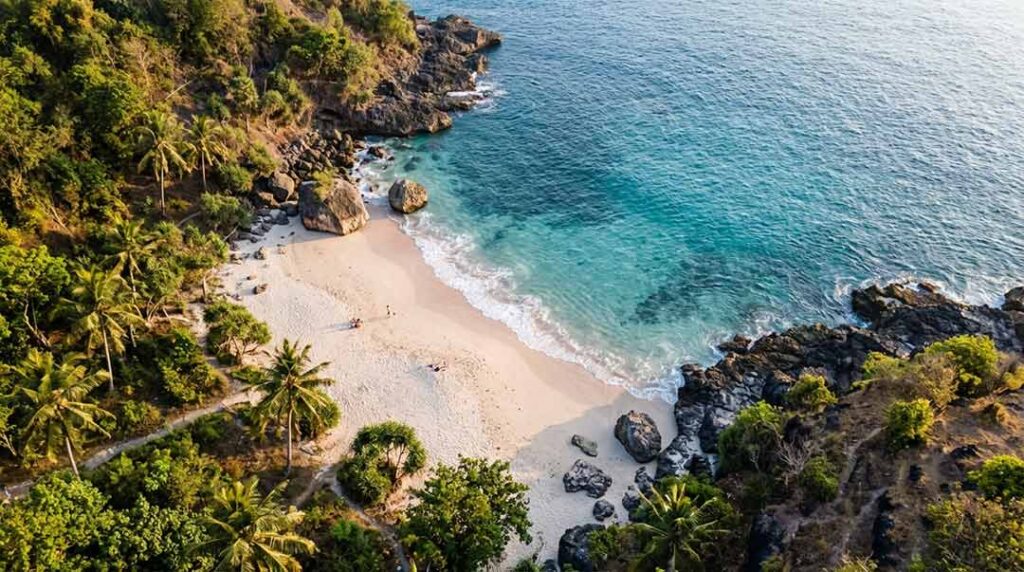
East Bali offers a noticeably different experience from Kuta and the beaches along the west coast.
Sanur Beach is one of the most accessible examples. Located on the eastern side of Denpasar, Sanur is known for its relatively calm waters and sunrise views. The coastline also has a pedestrian and cycling path, making it suitable for travelers who enjoy walking, cycling, or simply spending a quiet morning beside the sea.
For travelers who want to explore farther east, beaches around Padangbai provide opportunities for snorkeling and exploring smaller coastal areas. Blue Lagoon and Bias Tugel are examples of beaches that offer a different setting from the wide tourist coastline of Kuta.
Further into Karangasem, travelers can also find destinations such as Virgin Beach and Amed. Amed is particularly known for its underwater attractions and snorkeling and diving opportunities.
East Bali can therefore be a good choice when the goal is to slow down, explore smaller coastal destinations, or combine beaches with other attractions in the eastern part of the island.
Lovina Beach is one of the most recognizable coastal destinations in North Bali. Unlike the white-sand beaches commonly associated with southern Bali, Lovina is known for its dark volcanic sand and relatively calm waters. The area is also famous for early-morning dolphin-watching experiences.
Lovina is part of a longer stretch of coastline covering several coastal villages, which means the destination is better understood as a coastal area rather than simply one small beach. Its slower atmosphere makes it quite different from the busy beach environment of Kuta.
On the western side of the island, destinations such as Balian and Medewi can appeal to travelers interested in surfing and road trips. These areas require more travel time from South Bali, but the journey can become part of the experience.
For visitors with a longer Bali itinerary, traveling north or west can reveal a side of the island that feels considerably different from the popular southern beach areas.

Instead of ranking Bali’s beaches from best to worst, it is more useful to consider what kind of experience you want.
| Beach Area | Good For | General Atmosphere |
|---|---|---|
| Kuta | First-time visitors, sunset, beginner surfing | Lively and convenient |
| Seminyak | Dining, sunset, beachside venues | Social and stylish |
| Canggu & Pererenan | Surfing, cafés, lifestyle | Relaxed and contemporary |
| Uluwatu | Surfing, cliffs, coastal scenery | Dramatic and scenic |
| Jimbaran | Sunset and seafood | Relaxed |
| Nusa Dua | Resort beaches and relaxed swimming | Organized and comfortable |
| Sanur | Sunrise, walking and cycling | Calm and easygoing |
| East Bali | Snorkeling and coastal exploration | Scenic and laid-back |
| Lovina | Slow travel and dolphin experiences | Quiet and relaxed |
| West Bali | Surfing and road trips | Laid-back |
This variety is one of the reasons Bali continues to work for different types of travelers. The island does not have one single beach experience.
Kuta provides accessibility and a lively tourist environment. Canggu combines surfing with a contemporary lifestyle scene. Uluwatu offers cliffs and dramatic coastal landscapes, while Sanur provides a calmer setting for sunrise. Further north and east, travelers can experience a slower pace and different coastal landscapes.
Yes, Kuta is still worth visiting.
For first-time visitors, it can be an easy introduction to Bali’s beach culture. Its proximity to the airport, long coastline, surfing opportunities, sunset views, and wide range of facilities continue to make it a practical destination.
But visiting Kuta does not mean you have to stop there.
Bali’s coastline is diverse enough to make a trip more interesting when you explore different areas. You might spend an afternoon watching the sunset in Kuta, surf around Canggu or Uluwatu on another day, enjoy sunrise in Sanur, and take a longer trip toward East or North Bali when you have more time.
The right beach ultimately depends on the kind of Bali experience you want.
If you are exploring Canggu and Pererenan, staying slightly away from the busiest tourist centers can give you a more relaxed rhythm during your trip. The Tunjung Boutique Resort in Tumbak Bayuh offers a comfortable base with convenient access to Canggu and Pererenan, allowing you to explore Bali’s beaches during the day before returning to a quieter environment.
Book your stay at The Tunjung Boutique Resort and make Tumbak Bayuh your base for exploring Canggu, Pererenan, and the wider Bali coastline.
© Copyright Tunjung Boutique Resort